
To discover Madagascar honeys, start with lychee honey, mild and fruity. If you like strong flavours, choose niaouli or eucalyptus. For a rare honey to give as a gift, go for jujube or pink peppercorn.
This guide compares the 10 honeys we harvest with our 400 partner beekeepers in the Highlands, Manakara, Fort-Dauphin and Toliara.
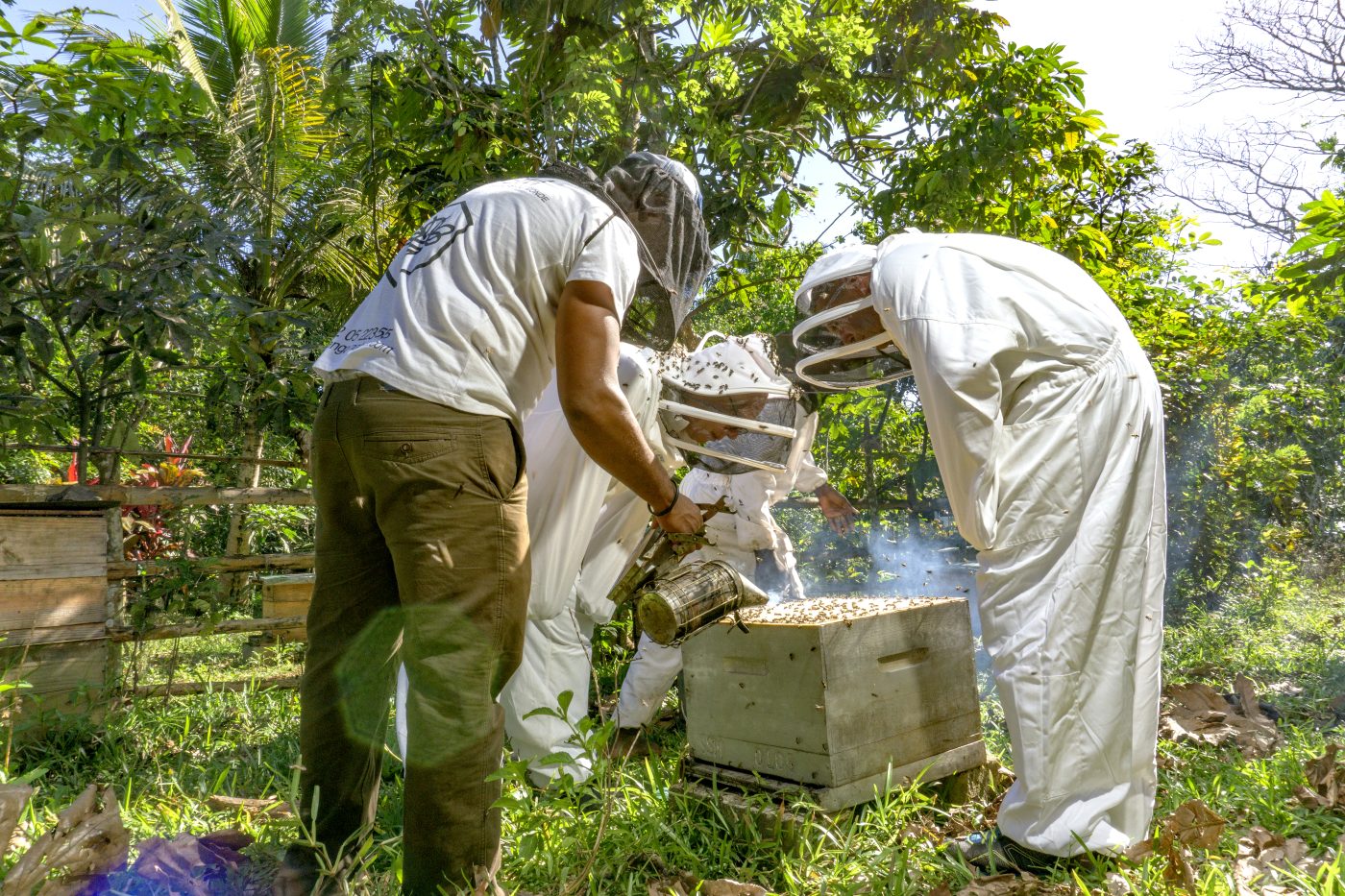
Lychee honey harvest in Madagascar
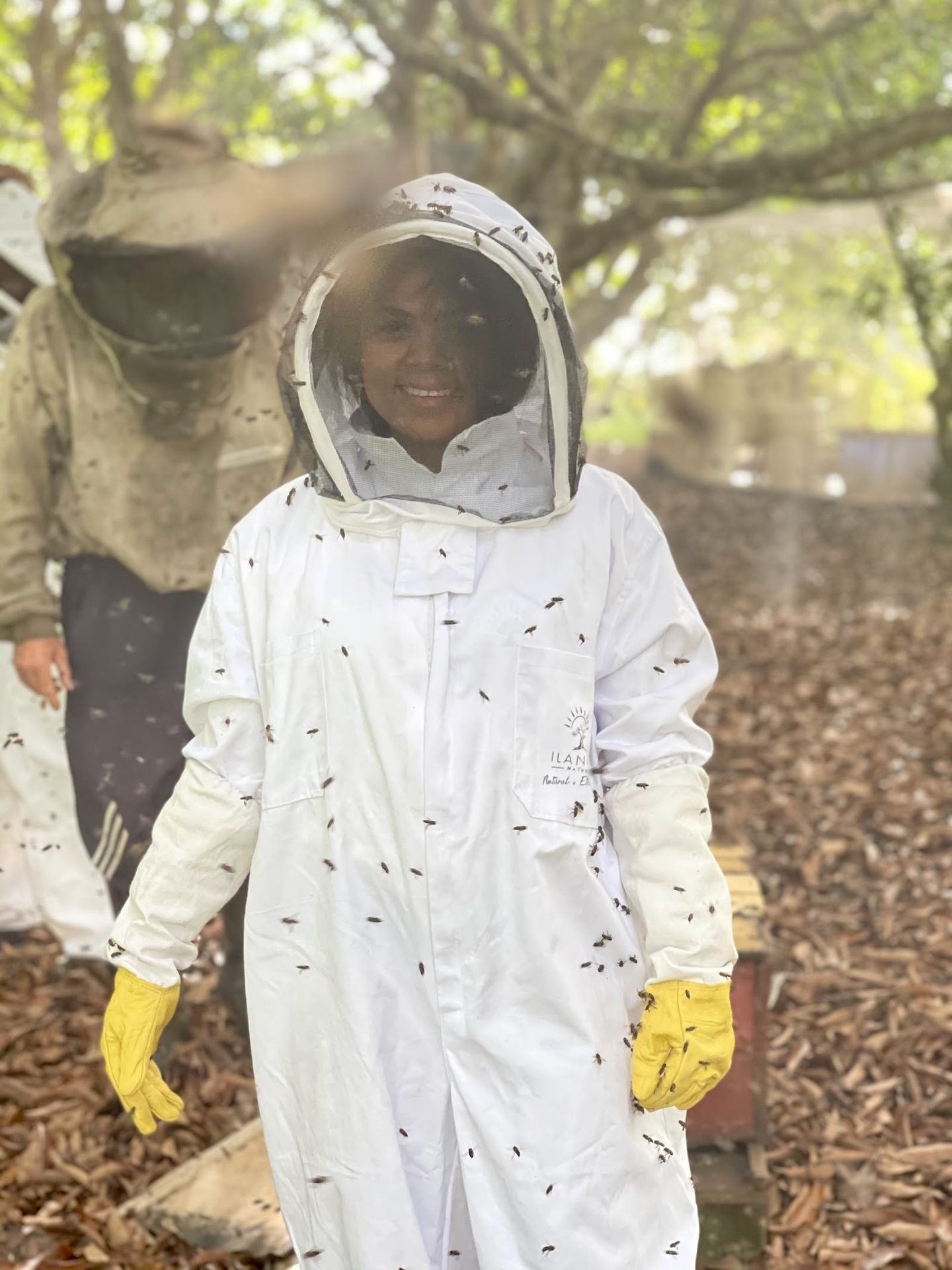
Laura Laurent during the jujube honey harvest
The 10 honeys compared
| Honey | Taste | Ideal for | Organic |
|---|---|---|---|
| Lychee | Mild, fruity and floral | Discovering Madagascar honeys, breakfast, tea | Yes |
| Niaouli | Fresh, woody and balsamic | Lovers of full-bodied honeys, herbal teas | Yes |
| Eucalyptus | Woody and caramelised, intense | Herbal teas, hot drinks in winter | Yes |
| Pink peppercorn | Floral, peppery and aniseed | Cheeses, sweet-and-savoury recipes | Yes |
| Jujube | Floral and fruity, smooth | Eating on its own, gifts | No |
| Cactus | Mild, lightly sweet and herbaceous | Delicate desserts, yoghurt | Yes |
| Mokarana | Fruity, floral and woody | Baking, toast | Yes |
| Primary forests | Floral and woody, wild | Eating on its own | Yes |
| Rainforests | Floral and woody | Eating on its own, cooking | Yes |
| Dry forests | Floral, woody and caramelised, intense | Marinades, slow-cooked dishes | Yes |
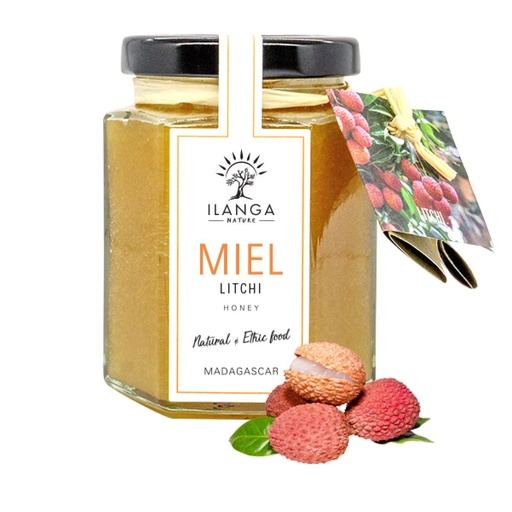
Lychee honey
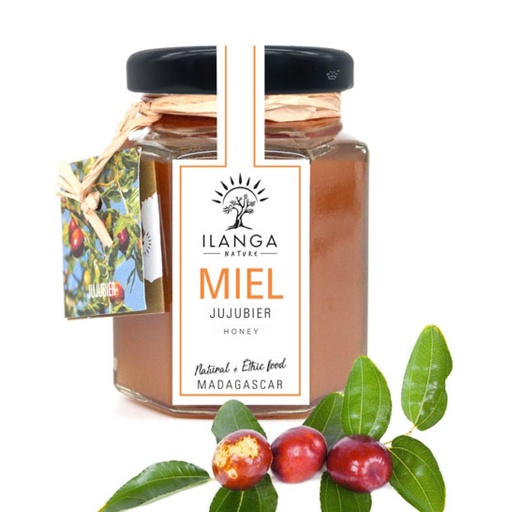
Jujube honey
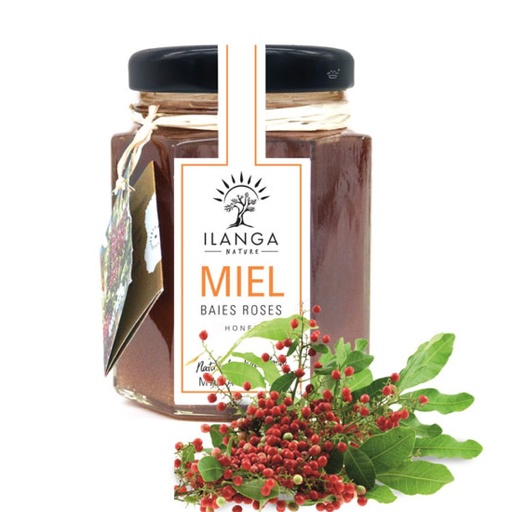
Pink peppercorn honey
Which honey for which use?
- For a first taste: lychee honey, the mildest in the range.
- For hot drinks: eucalyptus or niaouli, with their bold taste.
- For savoury cooking: pink peppercorn or dry forest honey, which go well with cheeses and meats.
- As a gift: the rare jujube honey, or a box of 5 honeys to taste them all.
Raw, organic, crystallised: what you need to know
Raw: our honeys are raw and unheated, so they keep all their aromas.
Organic: most of our honeys also come in a certified organic version. The word “BIO” appears in the product name.
Crystallised: this is normal. Crystallisation is a natural process in raw honey and affects neither its taste nor its quality. To make it liquid again, place the jar in a warm water bath, below 40 °C.
Where do our honeys come from?

A partner beekeeper in Fort-Dauphin, Madagascar
Ilanga Nature is a Belgian family business founded in 2018 by Olivier Laurent and now run by his children Laura, Nathan and Naya. We work directly with 400 Malagasy beekeepers. Our mobile honey houses, equipped 4x4 trucks, extract the honey right at the apiaries.
Our honeys won a gold and a silver medal at the London International Honey Awards 2020. Discover our story